
Workplace absence is one of those topics that quickly becomes emotionally charged. Leaders worry about productivity. Employees worry about being judged. And somewhere in the middle sits a collection of generational stereotypes that rarely stand up to scrutiny.
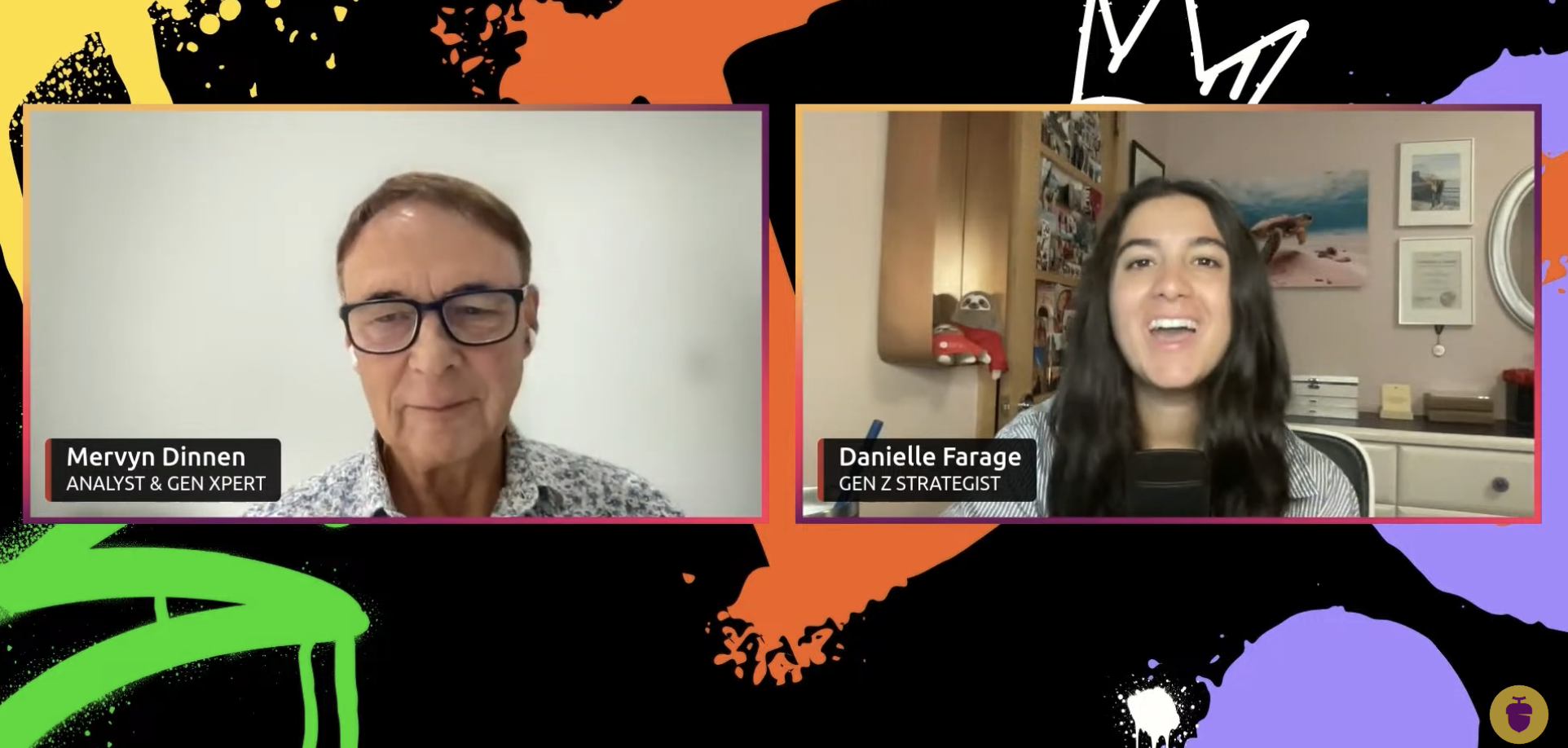
In a recent episode of our From X to Z podcast, Danielle Farage and I explored the generational dynamics behind workplace absence. What emerged wasn’t a story about laziness or entitlement. It was a story about context, life stages, and a workplace that hasn’t quite caught up with the reality of modern lives.
So let’s start with the data. Research from edays found that Gen Z actually take the fewest average sick days per year (2.7), while Boomers take the most (6.1). Gen X and Millennials fall somewhere in between.
That finding alone flips the common narrative. Gen Z are often criticised for taking “too many mental health days”, yet statistically they are absent less frequently than older colleagues.
So what’s really going on?
First, life stage matters. Boomers are more likely to experience age-related or musculoskeletal issues. Gen X are often part of the “sandwich generation”, balancing careers with caregiving for both children and ageing parents. Millennials report financial stress and mental health pressures. Gen Z cite anxiety, stress and headaches as key drivers of unproductive days.
These are not moral failings. They are human realities.
Second, visibility of mental health has changed. Older generations didn’t avoid stress or emotional difficulty; they simply dealt with it differently. Mental health wasn’t openly discussed. Taking a “mental health day” would have been viewed as weakness. Today, younger employees are more likely to name what they’re feeling and expect some degree of understanding.
This shift can create tension. Some older leaders interpret openness as fragility. Some younger employees interpret scepticism as hostility. The result? Reduced psychological safety.
And that’s where the real risk lies.
When people don’t feel safe explaining why they need time off, they are more likely to hide the truth. A mental health day becomes a “migraine.” A miscarriage becomes “back online as normal.” Personal struggle becomes silence.
Absence management then turns into suspicion management.
The irony is that many organisations are still applying one-size-fits-all absence policies designed for a nine-to-five, office-based era. But the workplace has fundamentally changed.
Hybrid and remote work mean absence is no longer binary. Someone with a cold might work from home. Someone caring for a parent might adjust their hours. The line between “off sick” and “working differently” is increasingly blurred.
At the same time, younger generations are contributing in ways that often go unrecognised. Informal tech support. Digital fluency. Social media expertise. Helping senior leaders navigate platforms and presentations. This invisible labour can create resentment, especially if absence policies are rigid while expectations of contribution remain flexible.
There is also a deeper dynamic at play. Many older leaders grew up in more autocratic workplaces. Power flowed downwards. Attendance equalled commitment. Showing up despite illness was rewarded as loyalty. That mindset does not automatically translate into today’s more fluid, digitally enabled environment.
But this isn’t about one generation being right and another wrong. It’s about understanding context.
Workplace absence today reflects:
- Physical health realities
- Mental health awareness
- Caregiving responsibilities
- Financial pressures
- Hybrid working norms
- Shifting expectations of empathy
The danger lies in oversimplifying it.
If leaders default to stereotypes like “Gen Z are soft” or “Boomers are hypocritical” then they create exactly the disengagement they fear.
If they lean into curiosity instead, asking “What’s driving this?” or “How can we support?” then they create trust.
Kindness is free, as Danielle rightly put it. But it’s also strategic.
Managing absence in 2026 and beyond requires subtlety. It requires HR and leaders to move from policing attendance to understanding wellbeing signals. It requires recognising that absence data is not just an operational metric, but a cultural barometer.
The question isn’t “How do we stop people taking time off?”
It’s “What does this pattern tell us about our people – and what do they need?”
Because ultimately, absence isn’t about weakness. It’s about humanity.
And organisations that understand that will build cultures where people don’t just show up – they stay.
Check out the full podcast conversation here –https://www.purpleacornnetwork.com/podcasts/from-x-to-z – or through the image below
 Talent Trends & Insights