How HR Can Drive Real Culture Change

Culture is often described as “how we do things around here.” It defines how employees interact, collaborate, and make decisions, shaping everything from day-to-day working relationships to an organisation’s reputation in the market.

My recent HR Means Business podcast chat with Jivan Dempsey FCIPD GMBPsS, Director of HR Transformation at FiveRivers Consulting, and author of The HR Change Manager’s Handbook, was about shifting company culture whilst preserving core organisational values and identity, and the critical role HR leaders play in shaping and shifting company culture.

During our conversation Jivan was quick to point out that culture isn’t about posters on a wall or catchy slogans in onboarding decks. It’s about how people behave when no one’s watching, and how an organisation responds when things get tough.

Yet many culture initiatives fail because they treat culture as a project rather than a practice. HR leaders are uniquely positioned to move culture work from surface-level campaigns to meaningful, sustainable change. Here’s how.

HR as Custodian and Amplifier of Culture

HR has a unique vantage point because it sees across all functions – from how people are hired to how they’re rewarded and developed. But being a custodian of culture doesn’t mean policing behaviours; it means amplifying what’s healthy, inclusive, and aligned with business strategy.

HR’s role starts with listening – understanding what employees and leaders actually value day to day, and where misalignments exist between stated values and lived experience. For example, if “innovation” is a core value, are employees empowered to take risks without fear of blame? HR must help bridge that gap through policies, leadership support, and recognition programs that make desired behaviours visible and celebrated.

Balancing Core Values with Evolving Behaviours

A common mistake is to treat culture as static – something defined once and left alone. In reality, culture is dynamic and adapts to external shifts (new technology, customer expectations, societal changes) and internal shifts (new leadership, growth, or restructuring).

Jivan emphasised the need to distinguish between core values, which remain stable, and behaviours, which can and should evolve. For instance, collaboration may remain a core value, but how collaboration happens in a hybrid or AI-augmented workplace will look different than it did five years ago. HR’s job is to help employees understand what stays the same and what must change – and why.

Avoiding Common Pitfalls in Culture Change

Many culture initiatives fail because they start with communications campaigns rather than focusing on behavioural change.

Slogans, posters, and value statements are easy; changing how managers give feedback or how decisions are made is harder – but it’s also where culture is truly shaped.

Another pitfall for HR is trying to tackle too much at once. Sweeping cultural transformations often stall because employees don’t see how the vision connects to their daily work. Instead, HR leaders should focus on a few critical behaviours – or “moments that matter” – where culture is most visible, such as team meetings, hiring decisions, and performance conversations.

Engaging Leaders and Overcoming Resistance

No culture initiative succeeds without leaders modelling the change. Yet leaders can be resistant – especially if the current culture has served them well. HR needs to treat leaders as both role models and co-creators.

This means coaching leaders on why change is necessary, showing them how it connects to performance and engagement, and equipping them with the skills to lead by example. It also means having difficult – but courageous – conversations when leaders’ behaviours are misaligned with the desired culture – a challenge HR must be ready to meet head-on.

Starting Small and Building Momentum

Culture change doesn’t have to start with a big-bang initiative. In fact, Jivan argues that starting small – focusing on one or two behaviours and piloting them in parts of the organisation – will often work better.

For example, if the goal is to build a more feedback-oriented culture, HR can start by training a single department in new feedback techniques, measuring the results, and then scaling what works. Early wins create stories and champions that help the broader organisation see what’s possible.

Making Culture Change Stick

The hardest part of culture work isn’t starting – it’s sustaining it. Many organisations see early momentum fade because behaviours aren’t embedded into processes and systems. HR must ensure cultural goals are built into how people are recruited, onboarded, rewarded, and promoted.

This also means measuring culture change, not just through engagement surveys but also through observable behaviours. Are leaders spending time differently? Are employees collaborating in new ways? Are recognition programs aligned with new priorities?

When culture goals become part of performance metrics and business outcomes, they stop being “HR’s project” and start being everyone’s responsibility.

The Bottom Line

Culture change is messy, human, and rarely linear – but it’s also where HR can have the biggest strategic impact. By moving beyond posters and slogans and focusing on real behaviours, HR leaders can guide organisations through change in a way that’s authentic and sustainable.

The work starts with listening, balancing stability with evolution, engaging leaders, and starting small. Most importantly, it requires persistence – because culture change isn’t a campaign; it’s a commitment.

You can check out my full conversation with Jivan here – https://www.hrhappyhour.net/episodes/hrs-role-in-shaping-company-culture/ – or through the image below, and let me know how you approach culture change in the comments.

The AI Effect on Entry-Level Jobs and Career Progression

Using ChatGPT might make you stupid.” That bold statement – based on a study – appeared on a number of news sites and in business journals recently. The article was accompanied by brain scan images suggesting that AI erodes critical thinking.

It’s the kind of story guaranteed to spark outrage – particularly among older generations who see technology as a shortcut rather than a skill. Needless to say it was a topic ripe for discussion between me and Danielle Farage on our #FromXtoZ podcast!

And also needless to say – the truth is far more complex, and raises bigger questions about how AI is reshaping not just how we work, but how we learn and progress in our careers.

The Disappearing Entry-Level Job

For decades, entry-level jobs were designed around repetitive, and often quite menial, tasks. Interns summarised files, created reports, and performed groundwork that provided valuable context and an understanding of how things fit together. While boring at times, those tasks were the building blocks for developing judgment and critical thinking. They helped you learn how to spot patterns, understand stakeholders, and prepare for more senior responsibilities.

Today, those very tasks are being done by AI in seconds. Need a summary? ChatGPT delivers one instantly. Need a cover letter? AI can generate multiple versions faster than you can type your name. For employers, this is a productivity boost. For graduates, juniors and interns, it means fewer “easy” tasks to start with – and potentially fewer opportunities to learn by doing.

Learning Gaps and Lost Context

One of the risks we talked bout is that when AI handles entry-level tasks, people may lose valuable context. The act of digging through files, for example, could teach you how information is structured, help to learn what’s important, and why things are done a certain way.

Without these experiences, new hires may have less foundational knowledge – and therefore slower long-term development opportunities – which echoes a common complaint among Gen Z workers that either they have little to do, or they are immediately thrown into complex tasks without the understanding that entry-level work used to provide.

That jump can accelerate learning for some, but for others, it can create stress and lead to potential skill gaps.

Shifting Skill Priorities

If AI can handle repetitive tasks, what skills will matter more?

Soft skills are rapidly rising to the top of the list – communication, collaboration, creativity, and emotional intelligence. Critical thinking is still essential, but it may shift away from basic data gathering and toward making strategic connections and asking better questions.

For example, instead of summarising a document, a junior analyst might now be expected to analyse AI’s summary and extract what’s missing or misleading. Instead of drafting a cover letter from scratch, they might focus on personalising and contextualising AI’s output in a way that resonates with their employers.

Changing Brains, Changing Learning

Our conversation also touched on how our brains – and our learning habits – are changing. Gen Z (and AlphaGen) have been exposed to technology and gamified learning from childhood so have different cognitive expectations. Tasks requiring deep focus and delayed gratification (like writing reports or doing long-form research) can feel more challenging when our brains are wired for quick dopamine hits from apps, games, and social media.

This is more than just a workplace issue; it’s a societal one. As technology accelerates, how we teach, train, and even design work needs to adapt to different cognitive baselines. Should we be worried about critical thinking decline? Or should we embrace the fact that tools like ChatGPT free up mental energy for deeper and more analytical thinking? The answer likely depends on how organisations and educators adapt.

Rethinking Entry-Level Work

The old career ladder was built on predictable steps: you start with basic tasks, learn the ropes, then climb upward as you gain experience. AI is dismantling some of those steps. That’s not necessarily bad – many interns now handle complex projects far earlier in their careers than previous generations ever did – but it requires intentional design. Employers need to:

  • Redefine entry-level roles to focus on applied problem-solving, creativity, and human interaction.
  • Provide context in new ways—mentorship, job shadowing, and structured learning can fill gaps left by disappearing grunt work.
  • Invest in soft skill development as AI takes over technical routine tasks.

A Transitional Phase

Ultimately, we’re currently in a transitional phase. Entry-level jobs are not disappearing, but they are transforming. The work experience of someone starting out today looks nothing like it did even five years ago. That can feel unsettling, but it’s also an opportunity – to design jobs, education, and career pathways that prepare people not just to survive in an AI-driven workplace but to thrive.

The big question is not whether AI is making us “stupid” – it’s how we will redefine learning, working, and progression in a world where machines handle the basics and humans focus on what truly requires a human touch.

You can check out the full podcast conversation here : https://www.youtube.com/watch?v=cu6W-UqLj2Q

Or through the image below

And let us know what you think in the comments…..

Intergenerational Harmony: Navigating Multigenerational Workplaces

I’ve always been interested in workplace dynamics. I’ve had, in some respects, an unusual career in that I started off professionally qualifying as an accountant and over the years have been through marketing, sales, HR and writing, and in all the different sectors and organisations I’ve worked in, I’m always most interested in how we collaborate and co-create, the relationships we build, and where there’s things maybe not working in the workplace, what causes friction and internal disruption.

What interests me most at the moment is the number of different generations in the workplace. When I started work, there were very few people in my company who were over the age of 55, let alone 60 or 67 (which is the standard retirement age in Europe) so it was it was quite different. Whereas now we’ve got people working longer –  there was a big piece in the Financial Times in Europe only a few weeks ago where they’re interviewing people in their 80s who are still working, pretty much on a full time basis, because they’re fit and healthy, and they enjoy it.

Something has changed: the structure, dynamics, and meaning of work have transformed. That’s what I explore on a regular basis with Danielle Farage on our From X to Z podcast series – and it’s why intergenerational harmony is more critical (and more possible) than ever.

It was an honour to be invited on to Adam Posner‘s Pozcast recently to talk with Rhona Barnett-Pierce about my thoughts on Intergenerational Harmony. You can listen to the whole conversation here – https://www.thepozcast.com/mervyn-dinnen-understanding-gen-z-the-future-of-work-live-from-unleash-2025/ – and these are the key things I talked about

1. A Lifetime of Learning Workplace Relationships

From ‘humble’ beginnings as a trainee accountant ticking off bank statements to navigating marketing, HR, sales, and writing, my journey has always centred around one question: how do people collaborate within organisations? Friction, alignment, mentorship, and teamwork – these dynamics really define our experience of work. And the more varied your background, the richer your insight into what drives co-operation, or causes a breakdown in internal relationships.

2. Generations: From Homogeneity to Multigenerational Workplaces

When I joined the workforce decades ago, your co-workers typically shared similar stages in life. Now, you routinely find 18 and 80 year-olds on the same Zoom call. That shift reshapes how we learn, mentor, lead – and think about opportunity. The diversity of life stages has created a complex, vibrant workplace with both promise and growing pains

3. Friction Is Nothing New (But a Different Flavour Now)

Young, aspirational hires have always challenged the status quo. I recall reluctantly ticking off bank statements as a trainee – it seemed a fairly menial thing to do after passing my first exams – until I realised (or was helped to realise!) that it was essential for mastering the job. Today’s younger employees bring a sharper dose of self-confidence, often backed by deep digital understanding and fluency. They’re less likely to accept “that’s just how we do it” – and more likely to say, “I can actually help with that.”

4. Gen Z’s Mindset: Driven by Flexibility, Not Just Pay

It wasn’t like this for Gen X. The blueprint was straightforward: work → overtime → promotion → house → family. Indeed, salary growth roughly matched the cost of living back then – meaning real progress was achievable. The maths is broken now: property prices have risen 30x while incomes only 10x. For Gen Z, traditional markers of financial stability are less attainable and are more likely to come from family support/inheritance, so instead they look for purpose, autonomy, and meaning in their roles.

5. When Tech Becomes a Generational Advantage—and a Challenge

Younger generations enter workplaces already fluent in digital tools, often surpassing seasoned managers and leaders. Add AI into the mix, and the resulting power shifts can be jarring if not handles well. Leaders may need help adapting – not because they lack authority, but because the toolkit they rely on has evolved. The trick? Recognise those new dynamics and harness them for innovation.

6. Gen X: The “Sandwich” Generation Under Pressure

If Gen Z is reinventing what work means, Gen X is struggling with identity at work. Often caring for aging parents and facing increased competition (even from freelance boomers staying in the mix), they feel squeezed. Neither at the top nor ready to retire, they’re redefining their place – experimenting with flexible work, consulting, or fractional roles. This volatility can fuel misunderstanding across generations.

7. Redefining Retirement: A Choice, Not a Deadline

Life expectancy keeps climbing, but state retirement ages aren’t keeping up. Many older professionals are choosing – or needing – to continue working well into their 70s and beyond. And if that pushes younger workers out of certain roles? It’s not malice – it’s a symptom of changing life arcs. For Gen Z, this adds competition; for Gen X, it’s both risk and opportunity.

8. Practical Steps for Multigenerational Harmony

  • Respect structure—but question rigidity: Hierarchies exist for a reason, but flexibility can unleash creativity.
  • Balance freedom with clarity: Autonomy works best when expectations and goals are clear.
  • Invest in intergenerational dialogue: Bring diverse voices into strategy and culture conversations.
  • Design flexible career paths: From gig roles to portfolio careers, accommodate evolving life stages.
  • Focus on shared purpose: Work aligned behind meaningful goals unites all ages.

Let me know what you think….and check out the full Pozcast chat here:

A Potential Framework for Mitigating AI Bias in Talent Acquisition

In a recent newsletter I wrote about some of the takeaways from my interview with Heidi Barnett, President at isolved Talent Acquisition (formerly ApplicantPro), at the Unleash conference about the evolution of Talent Acquisition. The integration of AI and advanced analytics in candidate profiling presents us with both a tremendous opportunity and also significant risk. While these technologies can enhance efficiency and improve matching accuracy, they also have the potential to perpetuate or amplify existing biases in hiring practices.

In this – the second part of my interview with Heidi – I’m specifically looking at some of the ways in which TA professionals can proactively address these challenges.

Understanding the Sources of AI Bias

AI bias in TA typically stems from three primary sources: historical data, algorithmic design, and implementation choices. Historical hiring data can often reflect previous discriminatory practices, unconscious biases, or systemic inequalities that existed in previous recruitment decisions. When AI systems learn from this data, they can inadvertently replicate these patterns.

Algorithmic design bias can occur when the parameters and weightings built into AI systems favour certain demographic groups or characteristics. For example, if an algorithm heavily weights specific educational institutions or previous company experiences, it may systematically exclude qualified candidates from underrepresented backgrounds.

Implementation bias happens when organisations fail to properly configure, monitor, or maintain their AI systems. This can include using inappropriate data sets, failing to regularly oversee and audit decision outcomes, or not accounting for changing market conditions and organisational needs.

Establishing Frameworks for Bias Detection

TA professionals must start taking a more systematic approach to identifying bias before it impacts hiring decisions. Start by conducting regular audits of your AI system’s outputs, and analysing hiring patterns across different demographic groups. This should help identify any statistical disparities in screening rates, interview invitations, and final hiring decisions.

Another way is to create baseline metrics that track diversity at each stage of the recruitment funnel, and then compare these metrics before and after AI implementation to help identify any trends that may give cause for concern. Pay particular attention to how multiple identity factors might compound bias effects.

It’s also key to establish feedback loops with hiring managers, candidates, and internal diversity teams to gather qualitative insights about any potential biases. Sometimes bias manifests in subtle ways that statistical analysis might miss, such as the language used in AI-generated communications or the types of questions prioritised in screening processes.

Implementing Technical Safeguards

It’s key to work with your technology vendors to understand how their algorithms function and what safeguards they’ve built in. Demand transparency about training data sources, algorithmic decision-making processes, and bias testing procedures. Reputable vendors should be able to provide detailed documentation about their bias mitigation efforts.

Also important to implement human oversight checkpoints at critical decision stages. While AI can handle initial screening efficiently, human reviewers should still be involved in final candidate selections. Train these reviewers to recognise potential bias indicators and provide them with diverse candidate profiles for consideration.

You can also consider using multiple AI tools or approaches for candidate evaluation, comparing results to identify potential bias blind spots. If different systems consistently exclude similar demographic groups, this may indicate systemic bias that requires investigation.

Building Inclusive Data Practices

Audit your historical hiring data before using it to train AI systems. Remove or adjust data points that reflect past discriminatory practices. This might include eliminating certain educational requirements that weren’t truly necessary for job success or adjusting for historical underrepresentation in specific roles.

Expand your data sources to include more diverse talent pools. If your historical data primarily reflects candidates from certain networks or sources, actively seek data from underrepresented communities, alternative education pathways, and non-traditional career backgrounds.

Regularly refresh your training data to reflect current market conditions and organisational values. AI systems trained on outdated data may not align with current diversity and inclusion goals or may miss emerging talent sources.

Creating Accountability Structures

Establish clear governance structures for AI bias monitoring and mitigation. Assign specific team members responsibility for conducting regular bias audits and create procedures for addressing findings that give rise for concern. This accountability should extend to senior leadership, ensuring that bias mitigation receives appropriate organisational priority.

Document your bias mitigation efforts thoroughly. This documentation can serve multiple purposes: it demonstrates due diligence in legal contexts, provides learning opportunities for continuous improvement, and creates institutional knowledge that survives personnel changes.

Set specific, measurable goals for bias reduction and diversity improvement. Regularly track progress against these goals and adjust your approaches based on results. Consider tying these metrics to team performance evaluations and organisational success measures.

Continuous Learning and Adaptation

The landscape of AI bias is constantly evolving as technology advances and our understanding deepens. Stay current with research, best practices, and regulatory developments in AI ethics and employment law. Try and participate in industry forums and professional development opportunities focused on responsible AI implementation.

Regularly reassess bias mitigation strategies as your organisation grows and changes. What works for a small company may not scale effectively, and what’s appropriate for one industry may not apply to another. Be prepared to adapt your approaches based on new insights and changing circumstances.

Foster a culture of continuous improvement around bias mitigation. Encourage team members to raise concerns about potential bias and create safe spaces for discussing these sensitive topics. The most effective bias mitigation happens when entire teams are engaged and committed to the effort.

Moving Forward Responsibly

Addressing AI bias in talent acquisition isn’t a one-time project – it’s an ongoing commitment that requires vigilance, resources, and organisational support. The goal isn’t to eliminate all AI tools due to bias concerns, but rather to implement them responsibly with appropriate safeguards and oversight.

By taking proactive steps to understand, detect, and mitigate bias, TA professionals can harness the power of AI while maintaining fair and inclusive hiring practices. This balanced approach will ultimately lead to better hiring outcomes, stronger organisational diversity, and reduced legal and reputational risks.

The future of Talent Acquisition depends on our ability to leverage technology while preserving human values of fairness and inclusion.

Check out my full interview conversation with Heidi here :

Gen Z’s Approach to Work Isn’t the Problem – It’s the Wake-Up Call!

Sensationalist headlines about generational differences in the workplace continue to take up loads of space on social and digital media platforms. I see a lot of it when I’m sifting through the latest articles and research for my weekly podcast chat with Danielle Farage on From X to Z on the Purple Acorn platform.

The episode that I’m writing about this week centred around articles on how Gen Z look for flexibility in their schedules and in the way they structure their working day – effectively challenging traditional work norms and redefining ‘professionalism’ by stretching boundaries such as talking a more flexible approach – also known as “going to the gym during work hours”! Add to this open conversations around mental health, and the questioning of traditional work structures – in particular challenging the ‘that’s the way we’ve always done things here’ narrative which leads to feelings of being  judged, misunderstood, or even dismissed.

The truth is that no generation is the problem. But the work itself is changing – and Gen Z is accelerating that change. Rather than clashing, organisations have a real opportunity to better understand each other, learn from one another, and build a more inclusive and fulfilling future of work.

1. Purpose Over Paycheque Isn’t Entitlement – It’s Evolution

Gen Z aren’t just chasing a salary – they want meaningful work aligned with their values. They want their jobs to have impact – and aren’t shy about saying it. This is often at odds with more experienced workers who usually found purpose after they had established some form of career and skill stability. Gen X and Boomers often had to take what they could get, keep their heads down, and climb the ladder. It was more about resilience and creating a longer term impact.

The Gen Z approach underlines that work is about more than survival – it can be meaningful as well.

2. Mental Health Isn’t a Weakness – It’s a Strength

Gen Z talk openly about anxiety, burnout, and needing time to recharge. They’re setting new standards and boundaries for workplace wellbeing and have a greater understanding of how, when and where they can thrive, and the support and guidance they might need.

This is at odds with Gen X and Boomers who tended to have to ‘push on through’ and leave more personal issues behind when they stepped into the workplace. They might admire Gen Z’s openness but might also see it as a sign of weakness or lack of resilience.

Organisations need to offer space for honest conversations – something that Gen Z expect – so that everyone in the basin less can help with coping strategies and supporting health without sacrificing performance.

3. Challenging Hierarchy Isn’t Disrespect – It’s a Desire to Contribute

Gen Z want to be heard. They want to understand how and why things are done in a certain way, and expect collaboration and support – not command and control. Gen X may see this as pushing back on organisational structures – and also impatience and a lack of respect.

The opportunity here is to support Gen Z with mentorship and context, and to work together to restructure outdated systems and practices. Mutual respect can lead to more successful outcomes.

4. Technology Is a Tool For Smarter Working

Gen Z have grown up in a digital world. They are quick to learn and adopt, and use technology intuitively and efficiently. The rapid development of workplace tech can be overwhelming for more experienced workers and can lead to misconceptions over the quality of Gen Z’s people skills, ability to interact.

The workplace needs a balance. Gen Z can show new ways to work smarter, faster and more effectively whilst older generations can emphasise the importance of real conversation, interpersonal nuance and collaboration.

5. Setting Boundaries Isn’t Laziness

Gen Z have watched older generations burn out – and they aren’t willing to sacrifice health or identity for hustle culture. This is often sharply at odds with older workers who have historically been rewarded for going above and beyond – usually by working long hours and overtime. Whilst there was often a personal cost involved, they are more likely to see Gen Z as slackers.

Another example of mastering the art of learning to work smarter – Gen Z can challenge the concept of extra hours leading to better outcomes with strategies to work smarter and more effectively, whilst more experienced workers can also point to how dedication  and loyalty brings results for everyone

6. All Generations Want the Same Thing: A Better Way to Work

At their core, Gen Z workers aren’t rejecting notions of hard work and dedication – they are trying to redefine it in a way that works for everyone. Asking the questions that older generations may have asked quietly – or never had the opportunity to ask at all.

And Gen X and Boomers aren’t stuck in the past – they’ve adapted through recessions, technology revolutions, and workplace upheaval. They know the value of grit and determination, and they want to pass that on through mentoring opportunities.

The Future of Work Is Intergenerational

Work isn’t just changing. It’s evolving. And we’re all part of the change. Building a workplace that embraces generational differences – and thrives because of them. A workplace where people feel seen, heard, respected, and whole.https://www.youtube.com/watch?v=FIE06FmiFEU&list=PLmQi8Zify99xWaqop_IOTo44aa_X17f4b&index=12

Why Starting a Career Feels Tougher Than Ever for Young Professionals

Today’s emerging workforce are facing challenges that previous generations didn’t. Entry-level opportunities – and other early career pathways – are getting fewer, and those that exist might seem harder to access. Traditional routes such as trainee roles, apprenticeships and trial periods appear to be getting harder to access. For many of the younger Gen Z group starting a career, or even finding interesting or challenging work, is becoming harder.

I discussed this with Danielle Farage during one of our recent From X to Z podcast chats. Despite what some more senior level professionals might think, this isn’t a problem bought about by a lack of ambition or drive amongst the emerging workforce, but instead a result of the way businesses now tend to be structured, resulting in four main challenges that early career workers now face:

➡️ Fewer career levels: There just aren’t as many steps to climb. An increase in flatter organisational structures means reduced opportunities for progression or promotion

➡️ Rising pressure to move fast: Digital channels and social media platforms fuel comparison and motivation to move ahead quickly, but then so do real economic pressures – like stagnant salaries in a time of rising inflation, and increased housing costs.

➡️ Wages that don’t reflect reality: Salaries for early-career roles haven’t kept up with inflation, meaning companies are offering less than they paid for the same entry level roles a few years ago.

➡️ Fewer entry-level roles: Some companies are cutting back on junior roles, or beginning to replacing them with AI. On top of that, many young professionals complain of poor management and limited mentorship opportunities, which can further stall development.

The result? A generation hungry to grow, but often stuck without support.

You can listen to our conversation or watch it below, and let me know what you think and how you’re seeing businesses support the emerging workforce:

Rethinking the Future Workforce: AI, Work Design, and the Human Element

The evolution of how, when and where we work continues apace – driven by technological innovation, changing worker expectations, and an increasingly decentralised workforce that wants agency in how, when and where they work, and access to information and tech support as and when they need it.

To try and make sense of the many of shifts happening in the workplace, I recently invited Andrew Spence – a workforce futurist and author of the weekly Workforce Futurist newsletter in which he shares the latest research and thinking around the world of work – on to the HR Means Business podcast for a conversation to unpack what the future may look like, and which current trends leaders should be tracking.

1. AI Is Useful — But Let’s Not Get Carried Away

AI is no longer new, but the recent explosion in natural language tools like ChatGPT has made it feel fresh, and potentially game-changing. even magical. Andrew’s view is that whilst AI is incredibly useful (acting as a solid “6 or 7 out of 10” assistant) it’s not necessarily intelligent in the human sense. We’re often seduced by the friendliness of the interface and assume these tools are more capable than they are. In reality, he sees them as very fast data processors.

The risk in overhyping AI is it can give the impression that entire professions and specialisms might disappear overnight. He points out that tools still need human oversight, creativity, and interpretation. AI can certainly enhance productivity, but won’t replace the value humans bring to the table – especially when that value lies in empathy, context, or nuance.

2. HR Needs to Own the Work Design Agenda

Today’s workforce includes a wide range of permanent employees, freelancers, fractional workers, along with increasing automation and AI agents. In this new reality, the real opportunity for HR lies in designing how work gets done — not just who does it.

This means thinking beyond organisational charts and job titles to start looking at which outcomes are necessary, and how best to achieve them. Could a blend of full-time hires, freelance consultants, and AI tools deliver more value than a conventional team?

It’s time for HR to become architects of work, not just custodians of headcount.

3. Decentralised Workforces Are Here — and Growing

Andrew’s research points to a growing shift toward non-traditional work structures. From gig platforms to fractional executives, people increasingly want to work flexibly and globally. During COVID, millions experimented with side hustles and online platforms – a mix that they kept afterwards.

This rise of the decentralised workforce poses significant challenges for HR. How do you maintain compliance, cohesion, and culture when a manager might hire a freelancer halfway across the world without the organisation even knowing? Our traditional systems and structures aren’t usually built for this – and work tech needs to evolve accordingly.

4. Loneliness at Work Is Real — and Rising

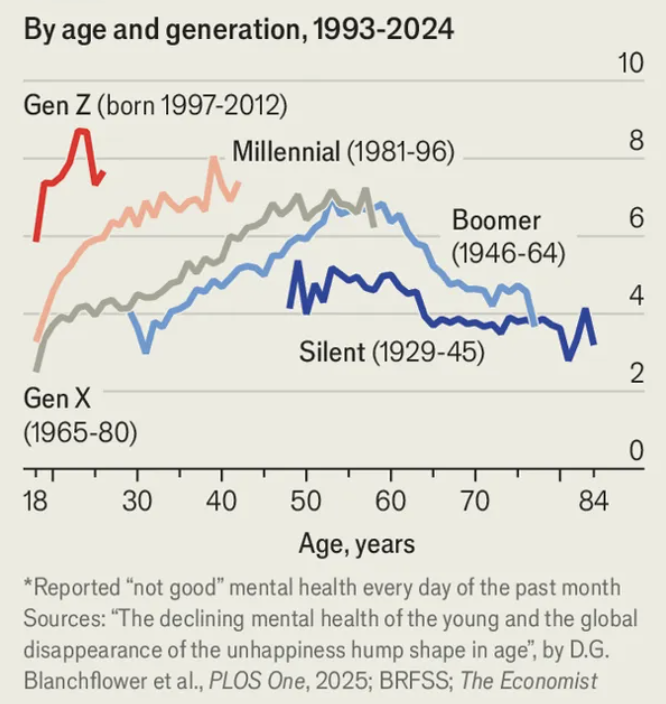
As more people work remotely or flexibly, loneliness is becoming a quiet crisis. Surprisingly, research shows that under-30s (primarily Gen Z) are the loneliest demographic – even more so than the elderly. While being alone doesn’t always mean being lonely (thanks to digital entertainment and online communities) there are real implications for engagement and productivity.

This presents both a challenge and an opportunity for HR. Organisations that can create meaningful, human-centred experiences – offering opportunities for connection, belonging, and purpose – may find a competitive edge in attracting and retaining talent.

People don’t just want a job; they want to feel part of something.

5. The Future HR Function: Smaller, Smarter, and More Strategic

Looking ahead, Andrew envisions a more specialised HR function, consisting of smaller teams, but with deep expertise in compliance, workplace technology, and strategic workforce planning. Much of the traditional ‘people management’ he sees shifting  to team leads, AI agents, and decentralised systems.

The central HR function will focus on ensuring that all these moving parts work together — ethically, efficiently, and in line with business goals.

In other words – HR’s role isn’t disappearing. It’s transforming!

The future of work isn’t just about technology, but is about reimagining how value is created, how work is designed, and how people connect. As AI and decentralisation reshape the landscape, HR has a unique chance to lead – not by holding onto outdated models, but by helping create a new era of work.

It’s not just about adapting to the future. It’s about designing it.

Check out the full conversation for more of Andrew’s thoughts and insights on how work – and HR – is evolving here https://www.hrhappyhour.net/episodes/hrs-role-in-managing-and-developing-the-workforce-of-the-future/

Why Micro-Retirements Might Be the Future of Career Growth

The expression “micro-retirement” has been gaining traction on digital news sites and platforms as a new ‘career trend’ that the Gen Z workforce are readily adopting. And needless to say, Gen X and Boomers are less than impressed – assuming the term refers to young people throwing in the towel after a few months of work to take a break!

The expression “micro-retirement” has been gaining traction on digital news sites and platforms as a new ‘career trend’ that the Gen Z workforce are readily adopting. And needless to say, Gen X and Boomers are less than impressed – assuming the term refers to young people throwing in the towel after a few months of work to take a break!

There is a real rationale behind the concept, and one that I was discussing with Danielle Farage on our latest From X to Z podcast. The phrase “micro-retirement” actually indicates a complete shift and points us toward the future of how we work, learn, and reset, highlighting a fundamental shift in our relationship with work.

Breaking from Tradition

For Boomers, Gen X and Gen Y, the concept of a career break was rare and often problematic. Gaps on CVs – and unexplained periods of apparent worklessness – would raise eyebrows as signalling an apparent lack of commitment or reliability. Of course, for earlier generations in the workforce, it tended to be the employer that owned the responsibility for upskilling their workforce, and helping to train their people on new systems or tools.

Gen Z see it differently. With rapid technological change – for example currently areas like AI and automation – waiting for a company to provide learning opportunities could mean getting left behind. The concept of micro-retirements – or career pauses may be a better expression – are seen by Gen Z as being proactive, not passive. They’re using them to recharge, reflect, and learn new skills.

Danielle shares how a layoff in 2023 turned into a transformative three-month break filled with travel, yoga, and eventually, launching a solo venture. Far from “retirement,” it was a reboot. And I don’t think she’s alone. I hear of increasing numbers in the emerging workforce designing work lives that include intentional pauses to refocus or explore new paths.

The COVID Catalyst

The COVID-19 pandemic definitely seemed to shift the narrative around time off. Suddenly, breaks in employment were understandable. Even expected. Caring for family, facing potential layoffs, or navigating mental health challenges, have increasingly become real reasons for career/CV ‘gaps’. The stigma around taking some time out of work has started to fade.

Language Matters

Still, the term micro-retirement has connotations. Retirement has historically implied stepping away permanently – not taking a purposeful break to learn, recharge, or pivot. Particularly in the modern workplace where people in their 70s and 80s still want to be part of the global workforce.

So maybe it’s time for a rebrand: sabbaticals, mini-breaks, or learning pauses. The language we use shapes how these breaks are perceived – culturally, mentally and particularly when making hiring decisions. The expression ‘micro-retirement’ might read like a clickbait worthy headline — but the concept behind it is legitimate.

Learning in Your Own Time

This is another key generational difference. Who is responsible for the upskilling of the workforce?

Previous generations largely experienced a business world where employers tended to handle learning and development of the skills and knowledge relevant for the role. Gen Z though are used to YouTube, online courses, and talking more of a DIY approach to learning. So, if you want to understand more about AI, automation or master a new tool or skill, you’re expected to figure it out on your own — often in between jobs or projects.

These breaks – or micro-retirements – then become essential career investments, not indulgences.

What Do Organisations Need to Do?

Instead of resisting the trend, organisations will benefit from leaning into it by offering – or supporting:

  • Flexible leave policies: Consider formalising sabbaticals or micro-breaks as part of the employee experience
  • Encourage self-directed learning: Offer stipends/bursaries or access to learning platforms for use during or between roles
  • Recognise the return: Employees often come back from breaks with renewed energy, sharper skills, and clearer goals
  • Rethink time: With AI increasing productivity, do we need to work the same hours to produce the same output?

Ultimately, this isn’t just about taking a break. It’s about redefining how we build sustainable, meaningful careers in a new world of work.

So I think the term “micro-retirement”, whilst clickbait worthy, is misleading. The sentiment behind thought reflects a smarter, more human approach to work. Pausing with purpose, not checking out.

And – if framed and supported properly – a fairly essential retention strategy.

Check out the full From X to Z podcast conversation here

Return to Office Mandates : Why Gen Z Isn’t Buying In

Hopefully you’ve been following the ‘From X to Z’ podcast series on Purple Acorn in which myself and Danielle Farage talk about the world of work – and workplace trends and issues – from the perspective of two very different generations!

Last week we had a good conversation about RTO mandates and what managers and leaders often don’t understand (or in some cases don’t want to understand) about why the Gen Z workforce are less likely to buy in.

I’ll share the full conversation at the end of this newsletter, but here’s my blog on the key takeaways from our conversation.

The Great RTO Push and the Generational Divide

With companies increasingly pushing for return-to-office (RTO) mandates, employees – particularly Gen Z – are pushing back. Leadership teams – which are often composed of older generations – often argue that physical presence is essential for productivity, collaboration, and culture. And probably don’t often mention that they are used to managing and supporting people who are sat in front of them!

However, the overall workforce’s expectations have shifted dramatically, and Gen Z, in particular, is questioning whether the traditional office model still makes sense.

The reality is that remote work existed before the pandemic – it just wasn’t mainstream. In the chat I reference research that myself and Matt Alder did in partnership with Kelly back in 2017/18 in which we found around two-thirds of the 18,000 jobseekers surveyed saying that they preferred to work (and believed they had the tools and support to work) remotely, and didn’t feel the need to be in a physical location to feel seen.

The forced shift to remote work during COVID-19 didn’t create a preference for flexibility; it simply validated that many jobs can be done efficiently outside of a traditional office environment. Now, as employers attempt to reinstate old norms, younger workers are finding it difficult to justify why they should comply.

Does Gen Z Hate the Office?

It’s a common misconception that Gen Z wants to work entirely from home. In truth, only about 10% of Gen Z workers want to be in an office full-time, but that doesn’t mean they reject in-person collaboration altogether. Many prefer hybrid work models, where they can maintain flexibility while still engaging in face-to-face interactions when necessary.

What Gen Z does resent is the idea that office attendance equals productivity. Unlike older generations who learned workplace skills by shadowing colleagues in a physical setting, Gen Z workers have grown up in a world where information is instantly available, and they have access to what they need to know as and when they need to know it.They don’t rely on being physically present to learn or contribute meaningfully, and instead value efficiency, autonomy, and meaningful work over rigid attendance policies.

The Productivity Paradox: Is RTO Actually Helping?

One of the most glaring issues Gen Z seems to have with return-to-office mandates is the lack of clear reasoning behind them. Many employees find themselves returning to the office only to sit in virtual meetings all day – meetings they could have attended just as effectively from home. This begs the question : If in-person collaboration is the goal, why are so many workers spending their office days glued to video calls?

Productivity should be measured by output, not location. If employees can complete their work efficiently from home, forcing them into an office for the sake of optics feels counterproductive. Younger workers, in particular, are questioning the logic of spending time and money commuting just to do the same tasks they could accomplish remotely.

Economic Realities: The Cost of Showing Up

For many Gen Z workers, the financial burden of returning to the office is another major concern. Wages have stagnated, while the cost of living – especially housing – has skyrocketed. Unlike previous generations who saw home ownership as a feasible goal early in their careers, many young professionals today struggle to afford rent, let alone save for a house.

Given these economic realities, the traditional corporate incentives – such as promotions and pay rises tied to office visibility – hold less appeal. If young workers don’t see a direct financial benefit to commuting, they are less likely to buy into the RTO narrative.

Moreover, the old model of employer loyalty is breaking down.

Previous generations stayed at one company for decades because they were rewarded with pensions, bonuses and long-term job security. Today, those benefits are rare. As a result, Gen Z sees no reason to sacrifice their personal wellbeing for a system that doesn’t prioritise them in return.

Rethinking Workplace Incentives

If companies want to attract and retain young talent, they need to rethink the benefits they offer. Traditional perks like office snacks, breakout rooms – and ping-pong tables! – don’t hold much weight in a world where employees value work-life balance over performative engagement. People need a reason to return a fixed location, and one that makes sense to them.

Companies need to consider relevant and much needed benefits that directly address employees’ real-life needs, such as:

  • Covering commuter costs – subsidised travel, help with petrol/gas, or parking reimbursement
  • Providing meal stipends for days spent in the office
  • Offering gym memberships or wellness programs to support employee health
  • Prioritising professional development with mentorship opportunities and skills training tailored to their particular career goals and interests.

The Future of Work: Adapt or Lose Talent

Companies that insist on rigid return-to-office policies without clear benefits are at risk of losing their best talent to competitors that embrace flexibility. Gen Z isn’t just rejecting the office – they’re rejecting outdated workplace norms that prioritise presence and an element of control over trust, and also presence over productivity.

Instead of enforcing blanket mandates, leaders should ask themselves: What is the real goal of returning to the office? If the answer is collaboration, mentorship, and culture-building, those goals can be achieved through intentional, flexible policies rather than strict attendance requirements.

In industries like manufacturing, healthcare, transportation and construction, where remote work isn’t usually a viable option, companies need to rethink how they attract young workers. Higher wages, better career development opportunities, and improved working conditions will be necessary to prevent talent shortages.

The workplace is evolving, and so are employee expectations. Companies that adapt will thrive, while those that cling to outdated models will struggle to attract and retain top talent. The choice is clear: Listen to your workforce, or risk losing them to those who do.

Check out my full conversation with Danielle Farage here:

Addressing People Problems in the Workplace: A Human-Centric Approach for HR

Modern work environments can be complex. When you mix remote/hybrid teams, multi-generational workforces, varied worker relationships (from fractional and contract to consulting and full-time employment) and technology, it’s clear that addressing people problems within the business will require much more than traditional HR protocols.

However, one of the key themes in my latest podcast conversation HR and The Complexity of People Problems – with award winning author, speaker and coach Zena Everett 🎤 – was that whilst these complexities have the potential to create misunderstandings and miscommunications, they also present modern HR professionals with an opportunity to foster and champion a more human-centric approach to dealing with people – an approach that emphasises emotional intelligence, open dialogue, and strategic coaching.

Zena and I talked about her latest book – Badly Behaved People – and some of the key findings and learnings from her research.

The Problem: Communication Breakdowns in a Busy World

One of the most significant challenges in modern workplaces is what Zena calls the pervasive “crazy busyness” that dominates daily routines. All the workforce – and their leaders and managers alike – find themselves constantly rushing between tasks and meetings often leaving little room for meaningful dialogue. This culture of busyness, coupled with the complexities of remote work and asynchronous communication, easily creates the foundations for misunderstandings and poor performance.

This chaotic environment leads to behaviours that can result in poor communication and understanding, allowing issues to fester. When people are too busy to talk, minor miscommunications can quickly escalate into conflicts. To mitigate this, HR should encourage their organisations to prioritise deliberate, meaningful interactions.

Looking Beyond the Role: Understanding the Whole Person

A common issue that Zena identifies is that managers often don’t fully understand the individuals behind the roles. Employees are not just job titles or numbers on a spreadsheet; they are complex human beings with personal challenges that inevitably influence their work behaviours.

For instance, an employee struggling with external stresses, such as caregiving responsibilities, might react uncharacteristically under pressure. Managers, unaware of these contexts, might misinterpret the behaviour as incompetence or defiance.

HR’s role is to foster an environment where leaders take the time to get to know their team members as individuals, not just as workers. Encouraging genuine conversations can help managers build trust and empathy. However, it’s crucial to approach this sensitively, respecting personal boundaries while showing authentic concern. An important point Zena makes is that effective listening involves not only hearing what is said, but also recognising what is remaining unsaid.

The Power of Dialogue: Moving Beyond Box-Ticking Exercises

Our workplace conversations are too often reduced to perfunctory check-ins or box-ticking exercises. Real dialogue, however, requires emotional intelligence and a genuine commitment to understanding others. HR should promote a culture where conversations are not just about task completion but also about emotional well-being and personal development.

Many workplace conflicts arise not from any malicious intent but from misunderstandings. People behave defensively when they feel misunderstood or threatened. By encouraging open dialogue, HR can help managers create a safe space where team members feel comfortable sharing their concerns and perspectives.

Enquiry-Driven Leadership: Asking the Right Questions

One of the most effective strategies in addressing people problems is enquiry-driven leadership. Unlike traditional, autocratic management styles, enquiry-driven leadership focuses on asking the right questions to encourage self-awareness and problem-solving.

Instead of trying to provide quick answers or solutions, leaders should engage their teams by asking questions that encourage thought and self-reflection. This approach not only empowers employees but also helps foster a greater accountability. When team members feel that their input is valued, they are more likely to take ownership of their tasks and collaborate effectively.

It goes without saying that clear communication of expectations, boundaries, and team vision is essential from leaders and managers. Once these foundations are established, leaders can then transition to a more inquiry-driven approach, allowing employees to think more creatively and solve problems independently.

Coaching Managers: HR’s Strategic Role

HR professionals play a crucial role in equipping managers with the skills needed to navigate complex people problems. This means  coaching managers not just to solve issues but to understand the role they play in team dynamics.

When approached by a manager with a team-related issue, HR should resist the temptation to offer immediate solutions; instead they should coach managers through a series of reflective questions, such as:

  • What do you think is the underlying cause of this issue?
  • Have you had a direct conversation with the team member involved?
  • How could your leadership style be influencing the situation?

By guiding managers through these questions, HR can help them develop the self-awareness needed to address issues more effectively.

Self-Awareness: Recognising Behavioural Impact

Self-awareness is a cornerstone of effective leadership. Zena’s research and insights find that leaders often underestimate the impact their behaviour has on team dynamics – whether it’s a manager’s mood influencing team morale, or non-verbal cues impacting virtual meeting energy, leaders’ actions are contagious

HR can facilitate self-awareness through feedback mechanisms, leadership training, and coaching sessions. Helping leaders to recognise how their actions and words influence team dynamics will enable them to adjust their behaviour, ultimately fostering a more positive workplace culture.

Conclusion: A Human-Centric Approach to People Problems

Addressing people problems in today’s workplace requires HR to champion a human-centric approach. This will involve:

  • Promoting emotional intelligence and genuine dialogue
  • Encouraging enquiry-driven leadership
  • Coaching managers to reflect on their influence
  • Fostering self-awareness at all levels of leadership

By embracing these strategies, HR can help their organisations to navigate the complexities of modern work environments, ensuring that people problems are addressed with empathy, understanding, and strategic insight.

We are in a period of rapid change in the workplace – and the workforce – leading to constant ‘busyness’. HR’s role as a strategic partner is now more critical than ever. By focusing on emotional intelligence, open dialogue, and enquiry-driven leadership, HR can transform people problems into opportunities for growth and collaboration.

You can listen to full podcast conversation here