Recogdemption: Turning Recognition into Retention and Real Loyalty

Most organisations try to recognise their people, but fewer are successful converting that recognition into loyalty though. That conversion moment is what recognition and reward specialists BI WORLDWIDE EMEA call Recogdemption – the point where recognition, the redemption of a meaningful reward, and employee retention & performance, all intersect to create a self-sustaining cycle of engagement.

It’s actually a deceptively simple idea with big implications: if employees are recognised but rarely redeem or receive anything of value, their emotional momentum stalls. If they can redeem or receive something that feels really worthwhile – and are able to do so early and often in their time with an organisation – then a positive loop accelerates: I feel seen → I can act on it → I feel valued → I want to stay and contribute more.

I’ve written, researched and spoken a lot about recognition and retention over the years, and I’m really interested in the concept of Recogdemption, which is based on behavioural analysis from almost 1 million employees across more than 100 countries. It certainly feels a lot like the flywheel concept popularised in the book ‘Good to Great’ – putting the employee at the centre.

So What Exactly is “Recogdemption”?

Keeping with the flywheel concept, if Recognition is the spark, then redemption is the action that turns the spark into movement, and retention is the forward motion that compounds value.

When recognition and redemption are designed to connect, then the flywheel keeps spinning. When they’re not, you’re left with isolated “thank-yous” and small rewards that feel good in the moment but fade quickly and offer no lasting impact.

I see three design truths at the heart of the Recogdemption concept:

  1. Timing matters. Early recognition – especially in the first six months – has an outsized impact. It anchors belonging before habits (good or bad) harden.
  2. Redemption isn’t trivial. Being able to redeem something meaningful soon after recognition is what makes the experience tangible. Research points to a “first redemption” sweet spot: something not so small that it feels tokenistic, but also not so large that it seems unattainable. The exact number and size will vary by market and pay bands, but the principle holds – make the first conversion both visible and achievable.
  3. Not everyone redeems the same way. Some people are spenders who redeem more frequently after a handful of recognitions; others are savers who wait longer and prefer bigger, more aspirational rewards. Treating everyone like a spender – or everyone like a saver – may leave value on the table, so all redemption patterns and aspirations should be catered for.

Why Does Recogdemption Matter Now?

There are three emerging business realities that I think make Recogdemption more than just a clever label, but a concept that needs to be embraced.

Firstly, retention pressure has shifted from something that happens periodically to becoming something more structural. Labour markets are tightening, there are rising skill shortages, and employee absence is increasing. The impact of losing the people you want to keep puts more pressure on the business and its leaders. Recognition alone might not fix that – but recognition that converts can.

Secondly, employee expectations have matured, and so have their expectations from recognition. People don’t just want to accumulate points; they want proof clear signals that their efforts are seen, and that they can translate into something tangible, such as choice, experiences, time or money-equivalents.

Thirdly, budgets are under scrutiny. HR needs a line of sight from spend to outcomes. Recogdemption can give you the measurables that leaders care about: early-tenure recognition rates, time-to-first redemption, redemption frequency by segment, and the retention differential for frequent redeemers.

How Recogdemption Should Work in Practice

  1. Front-load recognition. It’s a mistake to wait for periodic, or annual, cycles. Try to design onboarding and early-tenure routines in a way that encourages contributions quickly – eg. peer shout-outs, manager notes, cross-team “thank yous”. These should be tied to points or credits that can actually be redeemed.
  2. Engineer the first redemption. It’s important to build clear – and easy to use – pathways from recognition to action. Nudges like – “You’re 20% away from your first reward” – are useful encouragers. Also aim for a meaningful first redemption within the early months – enough to feel real, but not so high it becomes a distant mirage.
  3. Segment redemption behaviour – identifying spenders and savers early. For spenders: you should keep the catalogue fresh, accessible, immediate – low friction, quick delivery, everyday delight. For savers: make aspiration visible – progress bars, limited-time goals, experiences or higher-value items that justify waiting.
  4. Mix frequent recognition with occasional signal rewards. Small, frequent wins are useful for maintaining momentum. Periodic high-signal rewards – which are fewer but more meaningful – can help emotionally (eg. “you really matter here”)
  5. Enable managers to try and normalise the habit. Programmes don’t deliver; managers do. You should give managers and leaders prompts, examples and a short monthly routine to follow: eg. “Who went above and beyond? Who helped onboard faster?” Recognition should be specific, timely and authentic – and also connected to values or outcomes.
  6. Measure more than clicks. Looking beyond “how many points issued” to track metrics like time-to-first recognition, recognitions in first six months, time-to-first redemption, redemption frequency, repeat redeemers, and especially monitor the retention rate of high-frequency redeemers versus others.

Common Recogdemption Failures (and how to avoid them)

There are 5 common types of failure

Tokenism – If employees need dozens of recognitions to reach anything redeemable, they’ll disengage. Ensure the first redemption is within reach

Catalogue fatigue – A static selection erodes excitement. You should rotate items, add experiences, and localise choices. Also give people some agency in different types of gift cards, charitable options, or time-off equivalents

Manager inertia – Leaders often “mean to” recognise and then get busy and distracted. Bake recognition into cadence – such as one agenda item in team meetings, a monthly reminder, prompts tied to project milestones.

Equity blind spots – If only extroverted, customer-facing work gets recognised, you’ll end up amplifying inequity. Use peer nominations, manager audits and analytics to ensure that invisible work (eg. documentation, mentoring, maintenance) gets its share of spotlight.

No pathway to meaning – Recognition without redemption feels like applause without an encore. Make the path obvious, the steps short, and the win will be felt.

Why Recogdemption is a strategic lever – not a “nice to have”

When Recogdemption is designed well, you will get more than happy moments. You build predictable retention effects that can be seen in the data – frequent redeemers stay longer, contribute more, and advocate louder.

You can also build a culture that catches and amplifies people doing the right things – early and often – so that standards rise without burnout. And you earn credibility with Finance by linking budgets to measurable outcomes: reduced turnover cost, faster ramp-up, fewer hiring cycles, stronger productivity.

In short, Recogdemption reframes recognition from acts of kindness to acts of design. It’s the shift from “we thank people sometimes” to “we’ve engineered a culture where being seen leads to taking action, which leads to feeling valued, which leads to staying.” In a labour market where loyalty has to be earned – not assumed – that design advantage is hard to copy and even harder to ignore.

If your organisation already invests in recognition but isn’t seeing the retention lift you expect, don’t scrap the effort – connect it. Make the path from recognition to redemption short, meaningful, and visible. Segment it for spenders and for savers. Give managers a simple habit to follow. Then measure what matters and scale what pays back.

Recogdemption is how you can turn appreciation into advantage.

Health, Work and the New Reality: Thoughts on the 2025 CIPD Survey

The 2025 CIPD Health & Wellbeing at Work survey gives us a fairly clear picture of how employees across the UK are really feeling – physically, mentally and emotionally – and how their working lives are shaping that experience.

While many organisations have invested heavily in wellbeing initiatives over recent years, the data is showing a far more complex and nuanced reality. Some indicators are moving in the right direction, but others highlight systemic issues that employers cannot afford to ignore.

A Workforce That’s “Mostly Fine” – But With Warning Signs

At first glance, the findings are reassuring. Around two-thirds of employees say that their mental and physical health is good or very good. This suggests that most workers feel able to cope with day-to-day demands and maintain a baseline of resilience.

But that headline masks a significant minority who are struggling. Around 14–16% of employees say their health is poor, and almost a fifth feel neither positive nor negative – a sign of stagnation rather than wellbeing. When scaled to the UK labour force, these figures translate to millions who feel their health is deteriorating or stuck.

The emotional landscape at work is similar: many employees regularly feel enthusiastic and immersed in their work. But behind this lies a substantial group experiencing exhaustion and excessive pressure. These two factors – energy depletion and sustained pressure – are among the strongest precursors to stress, burnout and declining productivity.

When Work Makes People Unwell

Perhaps the most concerning finding from the survey is that a quarter of employees say work has a negative impact on both their mental and physical health. This represents around eight million people who feel that their job is actively damaging their wellbeing. Given the pressures of the past few years, from economic uncertainty to rapid organisational change, this figure may not be surprising – but it is concerning.

Only a third of workers feel that work positively affects their physical health, and fewer than half say the same for mental health. In other words, for many people, work is at best neutral – and at worst, harmful.

What’s Driving Poor Health at Work?

The survey points clearly to the underlying factors. Employees reporting negative health impacts are far more likely to experience:

  • High workloads and the sense of having far too much to do
  • Excessive pressure from the organisation
  • Consistent exhaustion
  • Poor relationships with colleagues
  • Weak or unsupportive management

This reinforces a crucial truth: wellbeing is not an “HR programme” – it is the lived experience of work. No number of mindfulness apps can offset an environment where people feel overworked, unsupported or poorly led.

The Organisational Costs Are High

Employees who feel that work harms their mental health behave very differently from those who feel supported. They tend to be:

  • Less satisfied in their roles
  • More likely to quit
  • Less likely to recommend their employer
  • Less motivated to give extra effort
  • Less likely to share innovative ideas

This is not just a wellbeing issue; it’s a performance, retention and cultural issue.

A Mixed Picture on Workplace Support

The survey finds that 69% of employees view their line managers as open and approachable about mental health. This is a significant cultural shift and shows progress in destigmatising conversations at team level.

Across organisations, however, support is patchier. Only 55%-59% feel their employer encourages open dialogue or supports mental health. This gap suggests that managers are often carrying more of the emotional load than the organisation around them.

Hybrid Working: The Healthiest Balance

One of the clearest patterns in the data is the relationship between working location and health. Employees with access to hybrid work report:

  • The best mental health (66% rate it as good)
  • Strong physical health outcomes — significantly better than those working fully remotely

Fully home-based workers appear most at risk of declining physical health, while those with no access to home-working report lower mental health outcomes than hybrid workers.

The takeaway? Flexibility remains a powerful enabler of wellbeing – but the healthiest model appears to combine autonomy with connection.

What Employers Need to Take Seriously

The 2025 CIPD survey sends a clear message: wellbeing is not achieved through standalone initiatives. It emerges from workload design, management capability, team relationships, organisational culture and the conditions in which people work.

If employers want healthier, more resilient and more engaged workforces, they must focus on:

  • Reducing chronic workload pressure
  • Equipping managers to lead with empathy and clarity
  • Strengthening social connection and psychological safety
  • Designing work that energises rather than drains
  • Maintaining flexible work options, with hybrid as the sweet spot

Work can be a force for good – but only when organisations take responsibility for shaping it in ways that support, rather than undermine, employee health.

The Rise of the Career Situationship: Why Gen Z Is Redefining Commitment at Work

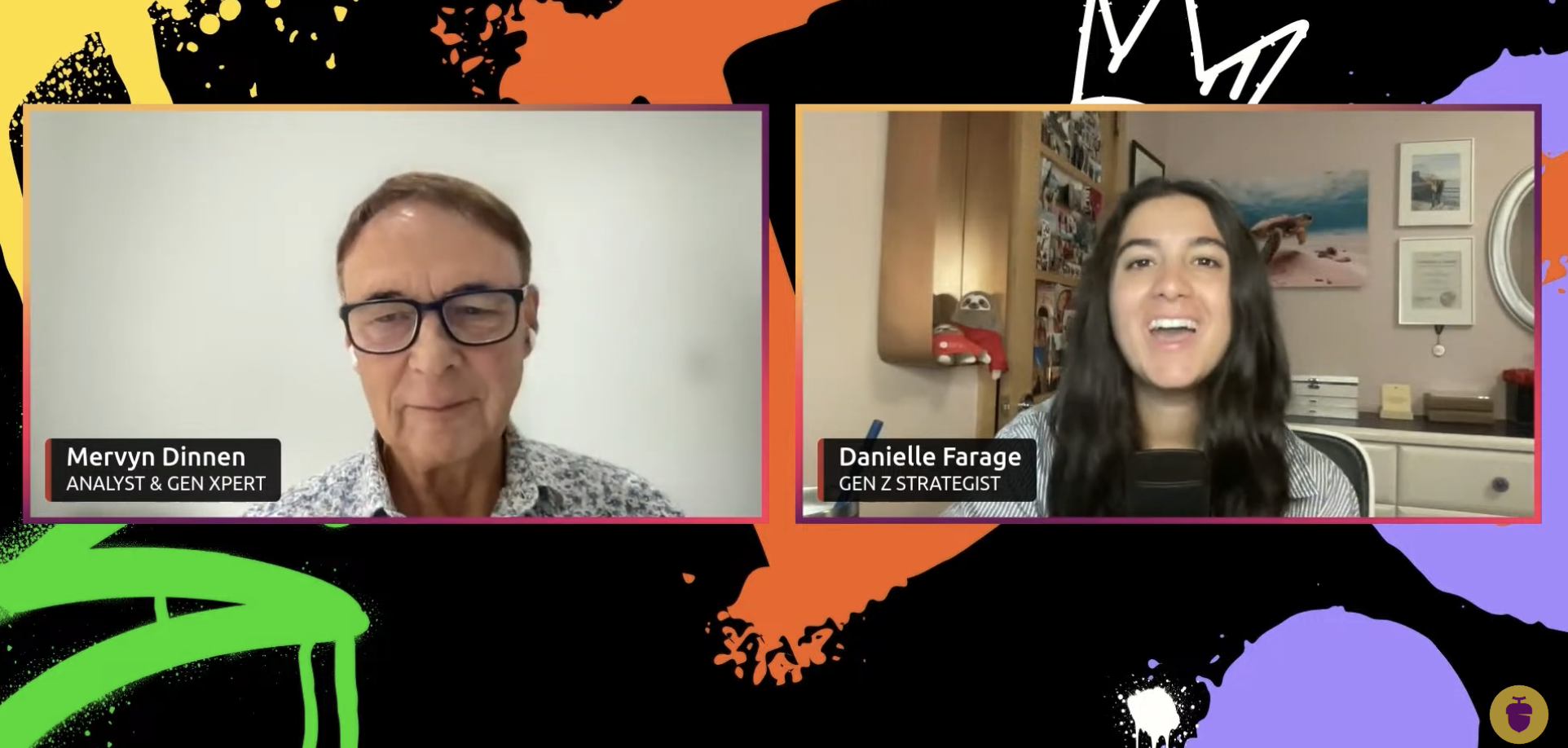
A recent survey claimed that nearly half of Gen Z plan to leave their jobs within a year, and more than half admit they took their current role knowing it would be temporary. The headline is designed to shock – a generation with “commitment issues.” And a headline that myself and Danielle Farage recently explored on our From X to Z podcast. This isn’t about a lack of loyalty. It’s about a new understanding of work itself.

Every generation has gone through periods of restlessness at work. When the economy is uncertain and the world feels unstable, people naturally think short-term. From my perspective, this has always been cyclical – periods of growth bring career ambition, whilst instability sparks pragmatism. The difference today is that the traditional reasons to stay in a job – home ownership, pensions, predictable progression – have all but disappeared for many younger workers. In their place instead is a simple question: “Does this job give me something meaningful right now?

For many of Gen Z, the answer often changes – and that’s not a sign of flakiness, but of realism. They are navigating a volatile economy, rising living costs, and a job market transformed by AI and automation. It’s hardly surprising that their focus is on the present, not the promise of a distant reward that may never materialise.

Danielle framed this shift as a broader redefinition of success. For Gen Z, money is a means to an end – a tool to support a life that feels authentic – and not necessarily a goal in itself. They’ve grown up watching countless models of success play out on social media: creators, entrepreneurs, activists, freelancers. The lesson they’ve absorbed is that there isn’t one consistent, right career path. Their 20s are for exploration, not lifelong contracts. Stability is less important than learning, autonomy, and purpose.

This mindset is giving rise to what Danielle calls the “career situationship” – a term borrowed from the language of dating – to describe a relationship where neither side is fully committed. The employer offers just enough reward or recognition to keep someone around, and the employee gives just enough engagement to get the job done – all the while scanning for better options. It’s a fragile dynamic, and one that’s becoming increasingly common.

The root cause isn’t entitlement or impatience; it’s disconnection. Many younger employees simply don’t feel recognised or valued in their roles. They crave feedback, development, and honest conversations about growth – but too often encounter bureaucracy or indifference. Without that sense of progress and belonging, even a well-paid job starts to feel hollow.

Management is a skill – not a title – and one that’s often overlooked. It seems too many managers are being promoted without necessarily having the right tools – or skills – to lead, connect and inspire their teams. Leadership today requires empathy, curiosity, and communication – qualities that build trust and make people want to stay. It’s not about enforcing loyalty, but about earning it through genuine care and clarity.

Ultimately, Gen Z’s attitude to career commitment is not a rejection of work; it’s more of a demand for meaning. They want work to fit into a life that feels purposeful, rather than the other way around. That may look like job-hopping on the surface, but beneath it is a search for belonging, respect, and growth.

The challenge for organisations is to meet that search with authenticity. Recognition, dialogue, and development aren’t “nice to haves” – they’re the foundation of modern retention. Because whether in careers or relationships, people stay where they feel valued. Which is something that every generation can understand.

Check out our full conversation here – https://www.youtube.com/watch?v=BbZmlkDq9RI – or through the image below, and you can also visit Purple Acorn From X to Z to check out all our intergenerational podcast chats.


Fostering Intergenerational Harmony: Turning Age Diversity into Team Strength

Workplaces are becoming more age-diverse than ever before, leaving organisations with a different kind of diversity challenge – how to ensure different generations collaborate effectively without friction.

Regular followers will know I debate these topics on an ongoing basis with Danielle Farage on our From X to Z podcast, but for today’s newsletter I’m looking at recent research published by the The British Psychological Society which looked at how age-related tensions develop – and more importantly – how they can be reduced through meaningful contact, inclusive culture, and thoughtful team design.

The Roots of Intergenerational Conflict

With up to five generations now sharing workplaces, it’s no surprise that tensions can arise between older and younger employees. The BPS study defined intergenerational conflict as disagreement, friction, or tension between employees of different age groups –  and links it to reduced team performance, wellbeing, and satisfaction.

But these conflicts aren’t simply about differences in work habits or communication styles. They’re rooted in social categorisation – the instinctive way humans group people into “us” and “them.” When workers feel that their age group is undervalued or discriminated against, this perception – known as Perceived Age Discrimination (PAD) – tends to heighten awareness of generational divides.

This usually results in defensiveness, stereotyping, and more frequent clashes – both about tasks (how work should be done) and relationships (how people relate day-to-day).

The researchers emphasised that both younger and older employees experience Perceived Age Discrimination – younger workers may feel dismissed as inexperienced, while older ones may feel sidelined or outdated. Either way, the sense of unfair treatment fuels tension.

When Work Structures Make Things Worse

Conflict doesn’t occur in isolation – it’s how work is structured that matters. The study found that task interdependence (the extent to which employees rely on one another to complete their work) can intensify conflict when Perceived Age Discrimination is present. In highly interdependent teams, employees have no choice but to collaborate closely. When age-based discrimination or mistrust already exists, this enforced co-operation can magnify frustration and disengagement.

However, interdependence isn’t the enemy – it can also become a powerful connector, provided the right conditions for collaboration are in place. The key lies in the quality of contact between colleagues.

The Power of Positive Contact

The BPS researchers highlight good quality, cross-age contact as one of the most effective ways to foster harmony. This means natural, voluntary, and respectful interactions between age groups – allowing people to learn more about each other as individuals, and not as stereotypes. Positive contact helps break down what’s known as “ingroup” and “outgroup” thinking, reducing perceived discrimination and strengthening trust.

Unsurprisingly (well, to me anyway!) the study found that when cross-age contact is high in quality, the benefits of task interdependence are amplified. Working closely together under these conditions doesn’t heighten conflict – it actually deepens mutual understanding and cooperation.

What Organisations Need to Do

The takeaway for HR and business leaders is clear: you can’t manage intergenerational dynamics through policy alone – you need to build connection. This means:

Creating structured opportunities for intergenerational collaboration that go beyond task assignments – for instance, mentoring partnerships, reverse mentoring, or cross-age project teams.

Training managers to spot signs of perceived age discrimination and address them through inclusive communication and recognition practices.

Celebrate age diversity as a strategic asset, not a challenge – blending experience with fresh perspectives creates stronger problem-solving and innovation.

The researchers concluded that the goal isn’t to minimise differences, but to turn them into a source of strength.

When employees of all ages feel respected and connected, organisations gain not only workplace harmony but also resilience and creativity – which are the hallmarks of a truly multigenerational workplace.

How are you approaching intergenerational harmony in your organisation? Let me know…

Hybrid Working: Why Policy Isn’t the Problem – Leadership Is

It’s become a familiar story within organisations. A CEO or senior leader returns from a conference or forum convinced that really getting everyone back to the office will fix culture, collaboration, and performance.

But as recent research from MIT Sloan Management Review involving Brian Elliott, Nick Bloom and Prithwiraj Choudhury has highlighted, this focus is misplaced. Hybrid work isn’t a policy problem – it’s a leadership capability problem.

The most successful organisations aren’t arguing about office attendance. They’re building the skills, systems, and trust to help people work effectively – wherever they are. Here are some of my thoughts on the research and, in particular, what they mean for HR and business leaders.

1. The Policy Trap: RTO Mandates Miss the Point

Many leaders are treating hybrid work like a compliance issue: set a rule or guidelines, communicate it, and measure adherence. Yet despite the rise in return-to-office mandates – up 12% last year alone – actual attendance increased only by 1-3%.

Managers are quietly prioritising performance over presence. Faced with losing high performers or bending rigid rules, most choose results. The real cost of these mandates isn’t absenteeism – it’s the wasted leadership energy spent enforcing policies that don’t solve the real challenge: how to enable effective collaboration across distance.

2. What the Research Actually Shows

Despite much debate and rhetoric – in magazines, books, forums and from the conference stage – the evidence doesn’t support rigid office mandates. Peer-reviewed studies have shown:

  • Hybrid work does not reduce productivity and can lower attrition by a third, saving millions in turnover
  • Remote work can increase productivity (by up to 10% in call-centre studies) and broaden workforce diversity
  • When teams spend 23% – 40% of their time together, they perform best. What matters isn’t where people work – it’s how purposefully they connect.
  • Hybrid arrangements consistently boost engagement and innovation by expanding perspectives and increasing psychological safety.

The conclusion is clear: effectiveness comes from flexibility and clarity of purpose, not from counting badge swipes.

3. The Four Capabilities That Define Hybrid Success

The companies thriving in flexible work environments share four core leadership capabilities – none of which depend on fixed policies.

Know Your Talent Edge

Start with strategic clarity. Hybrid work should serve the organisation’s competitive advantage – whether that’s attracting hard-to-find talent, fostering creativity, or offering flexibility competitors can’t.

Allstate, Airbnb, and the European Central Bank have each tailored hybrid models to suit their unique needs. The best approach isn’t uniform; it’s fit for purpose.

Measure Results, Not Presence

This is the leadership mindset shift. High-performing companies judge employees on outcomes, not hours.

Synchrony and Atlassian are two organisations that have used transparent goal-setting systems so everyone can see progress and impact. This approach strengthens trust, reduces bias, and helps retain diverse talent – particularly women, who are disproportionately penalised by rigid in-office demands.

Let Teams Lead the Way

The most effective hybrid models are designed at the team level. Teams know their collaboration rhythms better than executives do. Atlassian empowers teams to agree on shared norms – like guaranteed overlap hours or quarterly in-person sprints. Microsoft and Teradyne are businesses that use similar flexibility within a broad corporate framework.

Uniform policies flatten nuance. Empowered teams create alignment and accountability.

Invest in Getting Better

Hybrid work isn’t a one-time policy shift – it’s an ongoing capability build. Leading companies are investing in:

  • Spaces: redesigned for collaboration, not occupancy
  • Resources: budgets for purposeful team gatherings, not daily commutes
  • Skills: manager training and playbooks for leading distributed teams

Hybrid success depends less on where people work and more on how leaders build trust, alignment, and capability across boundaries.

4. The Leadership Imperative

Research consistently makes it clear: hybrid is here to stay – and it’s working. The organisations moving ahead today are those that stopped treating flexibility as an HR issue and started treating it as a core leadership discipline.

The real question isn’t ‘how many days in the office’ – it’s ‘how effectively do we create connection, clarity, and accountability across teams’?

Leaders who master that shift will build organisations that can flex with whatever comes next. Because the future of work isn’t about place – it’s about how we work together to create value.

(This post originally appeared in my twice-weekly newsletter HR Means Business – subscribe to make sure you don’t miss my latest conversations, thoughts and writing)

Rethinking HR – Building a New Operating Model for the 2020s

For more than two decades, HR has been guided by variations of the Ulrich model – a structure that helped professionalise the function, but one that now struggles to keep pace with today’s complexity. I recently interviewed Perry Timms, Founder and Chief Energy Officer of People & Transformational HR Ltd, on my HR Means Business podcast, to talk about the concepts outlined in his new book The HR Operating Model.

Perry believes that the HR profession needs a blueprint built for the world we actually work in – not the one we used to. “It still feels like HR is an order-taking, administrative function. We’ve been knocking on the strategic door for a long time. It’s time to redesign the house.

From Function to System: A Holistic Redesign

Perry’s new model doesn’t simply tweak existing structures – it reimagines HR as an interconnected system, built around four intersecting circles Systems, Products, Science, and Technology – reflecting how people, processes, and performance actually interact inside modern organisations.

At its heart sits People Experience – a concept that connects every stage of the employee journey, from candidate to alumni. It’s not about engagement as a “soft” idea, but about creating value at every touchpoint. As Perry puts it, “People experience isn’t a supercharged version of wellness. It’s high performance, but sustainable — evidence-led, inclusive, and grounded in business outcomes.

From Data to Decision

One of the model’s key intersections is People and Performance Analytics. HR leaders have talked about data for years, but Perry’s approach brings it into the operating system itself. The idea isn’t to build separate analytics teams, but to embed insight everywhere – translating data into business intelligence that guides decisions in real time.

This shift moves HR beyond reporting on “what happened” toward understanding “why it happened” — and ultimately shaping “what happens next.

Redefining High Performance

In the previous model, high performance would often meant results at any cost. Perry argues for a more complete definition – one that includes social, human, and intellectual indicators.

High performance shouldn’t be one-dimensional,” he says. “It’s about thriving teams who deliver results and sustain themselves through learning, balance, and purpose.

The outcome is regenerative performance – where success fuels energy and capability, rather than exhaustion and turnover.

Technology as a Collective Responsibility

Technology, in Perry’s view, must move from being an HR project to being an HR practice. The most effective organisations he studied didn’t silo innovation; they built open, participatory infrastructures that tested tools in real use cases, gathered feedback, and aligned technology with the data they actually needed.

AI plays a role here too – not as a disruptor, but as a smoother of operations. When automation handles routine, rule-based work, HR professionals can focus on relationships, creativity, and context – the human edge that technology can’t replicate.

The Meaning Maker: HR’s New Purpose

One of the model’s most powerful ideas is the Meaning Maker role — a function dedicated to ensuring organisational purpose remains alive and visible.

“The purpose of an organisation ought to make people think, ‘I’m glad I’m here because I believe in this’” Perry explains. That sense of meaning is the new psychological contract.

In a world of automation and flux, meaning-making becomes HR’s bridge between strategy and soul – helping employees understand why their work matters.

Getting Started: From Products to Purpose

For HR teams wondering where to begin, Perry offers some clear guidance – start small, but start differently

Think of your HR services as products,” he says. “Ask: if people had to buy this service for the value it provides, would they?” Then build it to that standard.

This product mindset signals seriousness, relevance, and innovation – and begins to shift how the rest of the business perceives HR.

HR at the Front, Not the Back

Perry’s challenge to boards is equally direct: Let HR Lead. “You can’t ask HR to deliver what you want when you don’t know what you need,” he says. “In uncertain times, HR should be out front – interpreting signals, shaping workforce strategy, and helping organisations prepare for what’s next.

The Future: Adaptive, Human, and Purposeful

The new HR operating model isn’t just a redesign of roles and processes. It’s a cultural transformation – one that blends systems thinking, human science, and technology to build organisations that are fit for the 2020s and beyond.

And the journey doesn’t end here. “If HR can get ahead of the curve for a change,” he says, “we can help build organisations that are adaptive by design — not just efficient, but alive.

You can listen to my full conversation with Perry Timms here – https://www.hrhappyhour.net/episodes/creating-a-new-operating-model-for-hr/ – or through the image below:

The Future of Work: From Jobs to Meaningful Work in a Tectonic Era

Work has always been one of the three pillars of human fulfilment – alongside relationships and health. When it’s organise and done well, meaningful work doesn’t just pay the bills; it keeps us healthier, helps us live longer, and fuels a sense of purpose. But the way we define, organise, and experience work is shifting faster than ever.

At O.C. Tanner‘s Influence Greatness conference this week I sat in a session by Rishad Tobaccowala, from the The Rethinking Work Platform, which got me thinking. The session was billed as ‘How to Lead in the Age of AI’ but his observations and research went much deeper than that.

He started with the observation that between 2019 and 2029, work has been – and is currently – projected to change more than it did over the previous 50 years. This is not just evolution – it’s a tectonic shift. Yet many leaders are still looking backward, focusing on office returns and outdated structures, metrics and roles, while the ground beneath them is moving. How forward thinking are todays business managers and leaders whilst the world of work around them shifts?

The Five Shifts Reshaping Work

  1. Demographics: Populations are shrinking in many developed countries, birth rates are falling, and societies are aging. This will create pressure to keep older workers engaged and to design flexible arrangements for those balancing work with caregiving. At the same time, generational attitudes toward work and capitalism are diverging sharply. Gen Z, in particular, wants independence, flexibility, and purpose – and not to replicate the lives of their parents.
  2. Technology: AI is widely misunderstood. Far from just hype, it will quietly strip the value of “knowledge for knowledge’s sake.” Around 20% of current work tasks can already be automated, saving up to 40% of time. This won’t eliminate work; it will change how we create and measure value. The winners will be those who redeploy saved time into innovation and new ideas.
  3. Marketplaces: Platforms like Uber, Etsy, Upwork, and Shopify are normalising side hustles and gig work. Increasingly, people will hold both W2 (earned income in the UK) jobs and 1099 income (unearned income in the UK) streams. Work is diversifying beyond traditional employment.
  4. COVID’s Legacy: The pandemic didn’t just change where we work – it changed why. Employees no longer want “bosses.” They want leaders, mentors, and guides. The authority of command-and-control is fading fast.
  5. Declassification of Work: Perhaps the most profound shift: jobs and work are not the same thing. There will be fewer jobs, but no shortage of work. Systems built around employment – healthcare, pensions, identity – must evolve as people assemble income from multiple streams.

A New Worker Ecosystem

The workforce of the future will be more diverse than ever, with five types of workers:

  • Full-time employees
  • Contract workers
  • Freelancers
  • Fractionalized employees (working 60–80% of the time with prorated pay and benefits)
  • Agentic employees (self-directed workers who leverage AI and platforms for autonomy)

This new mix will make “headcount” a less meaningful measure. Instead, revenue per worker will become the key performance metric. Agility – through more flexible, ‘plug-and-play’ teams – will separate resilient organisations from those still organised around outdated hierarchies.

A Crisis of Leadership, Not Culture

Many leaders talk about “bringing people back to the office for culture.” But culture has never been confined to an office. Collaboration, learning, and relationship-building often happened elsewhere – off-sites, conferences, even restaurants. The water cooler myth has long been just that.

What’s really at stake is leadership. Bosses who allocate, monitor, and control are out of sync with today’s workforce. Leadership in the future looks more like jazz than a classical orchestra: improvisational, responsive, and collaborative. Leaders must create conditions for excellence, growth, and trust – not try to control every note.

How We Adapt: New Mindsets and Practices

Rishad was clear – the future won’t adapt to us; we must adapt to it. That means upgrading our “mental operating systems.” Just as our smartphones update every year, we must commit to learning daily – at least one hour a day – to stay relevant and resilient.

Equally important is adopting what he calls the ‘immigrant mindset’:

  • Think like outsiders, questioning assumptions and seeing opportunities others miss
  • Act like underdogs, prepared to disrupt established “castles and moats”
  • Invest long-term, trading short-term comfort for long-term gain

The Human Centre of the Future

For all the talk about AI and automation, the future of work isn’t really about technology. It’s about people. Companies don’t transform – people do. Organisations that invest in leadership, flexibility, and meaning will thrive.

Work, in its essence, is not disappearing – it is being redefined. The challenge for leaders, workers, and society alike is to uncouple work from jobs, embrace new worker types, and design systems that give people both purpose and flexibility.

The future is an undiscovered country. To navigate it, we’ll need adaptability, courage, and above all, leadership that sees people as the centre of every transformation.

Article content

Happiness at Work: Why Leaders Hold the Key

Happiness is becoming one of the most discussed – and most misunderstood – topics in the modern workplace. We talk a lot about engagement, retention, and productivity, but beneath all of these lies a simple truth: people do their best work when they’re happy. And there is an undeniable link between how people are treated at work, and how happy they feel in other areas of their life.

Yet, despite the research, many organisations still treat happiness as a “nice to have.” The World Happiness Report consistently places the US lower than one might expect, and studies like the Global Flourishing Study reveal worrying patterns: young adults today are significantly less happy than previous generations. The workplace is not the sole reason, but it plays a powerful role.

In a recent episode of the #FromXtoZ podcast Danielle Farage and I talked about happiness at work and looked at research from the Global Flourishing Study and World Happiness Report. Here’s my take on our conversation….

The Shifting Landscape of Work and Happiness

For older generations, entering the workforce often meant joining an employer who invested in training, mapped out career paths, and offered stability. There was a sense of reciprocity: employees committed to their employer, and employers committed to developing their people.

Nowadays, many young professionals enter the workplace burdened by student debt, often competing for a smaller number of opportunities (especially in sectors disrupted by technology and, most recently, AI) and often navigating companies who are reluctant to invest until new hires “prove themselves.” Instead of stability, they are encountering uncertainty – and instead of development, they can often face a “sink or swim” mentality.

This lack of investment is more than a skills gap – it contributes directly to unhappiness, anxiety, and disengagement.

The Factors Behind Unhappiness

The Global Flourishing Study found that the unhappiness of young adults stems from a combination of:

  • Poor mental and physical health
  • Lack of meaning and direction in their careers
  • Financial insecurity
  • Weakened relationships

When these challenges are layered on top of work environments that lack support, training, and clear pathways, many employees start to feel adrift.

The Chicken-or-Egg Dilemma

Many organisations hesitate to invest in training and development because they fear people will leave. But as the old conundrum goes: “What if we invest in them and they leave? But what if we don’t and they stay?”

Leaders must accept that employee turnover is inevitable. What matters is whether your organisation earns a reputation as a place where people grow, thrive, and feel valued. A workplace known for investing in its people will always attract strong talent. A workplace that withholds investment creates a revolving door of disengagement.

The Role of Leaders: Parenting, Not Policing

Leadership plays a defining role in workplace happiness. The parallels between parenting and leadership are striking. Parents know that over-controlling, fear-driven rules often backfire, while support, guidance, and freedom to explore can build resilience and loyalty.

The same is true in the workplace. Leaders who cling to employees out of fear of losing them can often end up driving them away. Leaders who provide tools, training, and opportunities for growth — even if it means employees may one day leave — build trust and long-term commitment.

Culture and Colleagues Matter Too

Happiness is not just shaped by leaders, but by the culture and people employees interact with daily. A supportive team, a culture of recognition, and a sense of belonging can make the difference between a job that drains people and one that energises them.

Employees spend a large portion of their lives thinking about, or engaging with, their workplace, and if the culture is toxic or indifferent, unhappiness spills into life outside of work. Conversely, when people feel supported, trained, and valued, happiness at work enhances happiness in life.

Who Owns Workplace Happiness?

Some leaders will argue that happiness is ultimately a personal responsibility. They provide the platform and environment…and employees must bring their own positivity. There is some truth to this — no one can outsource their happiness entirely. But leaders cannot ignore their influence.

The reality is that organisations shape many of the factors tied to happiness: financial stability, growth opportunities, meaning in work, community, and recognition. Leaders may not be responsible for every aspect of happiness, but they are undeniably responsible for creating the conditions in which happiness can thrive.

So How Can Leaders Foster Real Happiness at Work?

If you want to foster real happiness at work, then here’s a plan:

  1. Start Development on Day One Give every new hire a clear onboarding plan and at least one formal training opportunity within their first 90 days. Pair them with a mentor or buddy so they feel supported and can learn informally as well as formally.
  2. Make Career Conversations Routine Schedule quarterly career check-ins that focus on growth, not performance ratings. Ask questions like: “What skills do you want to build this year?” and “Where do you see yourself in two years, and how can we help you get there?”
  3. Give Recognition Weekly, Not Annually Make it a habit to acknowledge good work in real time — a quick thank-you, a public shout-out, or a personal note goes a long way. Encourage peer-to-peer recognition so appreciation comes from all directions, not just the top down.
  4. Check the Pulse Regularly Use short pulse surveys or informal check-ins to understand how people are feeling — about workload, culture, and well-being. Act on feedback quickly so employees see that speaking up makes a difference.
  5. Be Transparent About Challenges Don’t gloss over tough realities (economic shifts, AI disruption, restructuring). Acknowledge them honestly, explain the “why,” and share how you’re supporting employees through them. Even a simple “I know this is a difficult time, here’s what we’re doing to help” builds trust.

Happiness at work isn’t a perk or a slogan. It’s the outcome of deliberate choices leaders make every day — to invest, to listen, to support, and to trust. Employees don’t expect perfection, but they do expect authenticity and care. And when leaders get that right, happiness follows.

Check out our full podcast chat here : https://www.youtube.com/watch?v=jJkwto14YlA or through the image below….

…and check out more episodes of #FromXtoZ here – https://www.purpleacornnetwork.com/shows/from-x-to-z

How HR Can Drive Real Culture Change

Culture is often described as “how we do things around here.” It defines how employees interact, collaborate, and make decisions, shaping everything from day-to-day working relationships to an organisation’s reputation in the market.

My recent HR Means Business podcast chat with Jivan Dempsey FCIPD GMBPsS, Director of HR Transformation at FiveRivers Consulting, and author of The HR Change Manager’s Handbook, was about shifting company culture whilst preserving core organisational values and identity, and the critical role HR leaders play in shaping and shifting company culture.

During our conversation Jivan was quick to point out that culture isn’t about posters on a wall or catchy slogans in onboarding decks. It’s about how people behave when no one’s watching, and how an organisation responds when things get tough.

Yet many culture initiatives fail because they treat culture as a project rather than a practice. HR leaders are uniquely positioned to move culture work from surface-level campaigns to meaningful, sustainable change. Here’s how.

HR as Custodian and Amplifier of Culture

HR has a unique vantage point because it sees across all functions – from how people are hired to how they’re rewarded and developed. But being a custodian of culture doesn’t mean policing behaviours; it means amplifying what’s healthy, inclusive, and aligned with business strategy.

HR’s role starts with listening – understanding what employees and leaders actually value day to day, and where misalignments exist between stated values and lived experience. For example, if “innovation” is a core value, are employees empowered to take risks without fear of blame? HR must help bridge that gap through policies, leadership support, and recognition programs that make desired behaviours visible and celebrated.

Balancing Core Values with Evolving Behaviours

A common mistake is to treat culture as static – something defined once and left alone. In reality, culture is dynamic and adapts to external shifts (new technology, customer expectations, societal changes) and internal shifts (new leadership, growth, or restructuring).

Jivan emphasised the need to distinguish between core values, which remain stable, and behaviours, which can and should evolve. For instance, collaboration may remain a core value, but how collaboration happens in a hybrid or AI-augmented workplace will look different than it did five years ago. HR’s job is to help employees understand what stays the same and what must change – and why.

Avoiding Common Pitfalls in Culture Change

Many culture initiatives fail because they start with communications campaigns rather than focusing on behavioural change.

Slogans, posters, and value statements are easy; changing how managers give feedback or how decisions are made is harder – but it’s also where culture is truly shaped.

Another pitfall for HR is trying to tackle too much at once. Sweeping cultural transformations often stall because employees don’t see how the vision connects to their daily work. Instead, HR leaders should focus on a few critical behaviours – or “moments that matter” – where culture is most visible, such as team meetings, hiring decisions, and performance conversations.

Engaging Leaders and Overcoming Resistance

No culture initiative succeeds without leaders modelling the change. Yet leaders can be resistant – especially if the current culture has served them well. HR needs to treat leaders as both role models and co-creators.

This means coaching leaders on why change is necessary, showing them how it connects to performance and engagement, and equipping them with the skills to lead by example. It also means having difficult – but courageous – conversations when leaders’ behaviours are misaligned with the desired culture – a challenge HR must be ready to meet head-on.

Starting Small and Building Momentum

Culture change doesn’t have to start with a big-bang initiative. In fact, Jivan argues that starting small – focusing on one or two behaviours and piloting them in parts of the organisation – will often work better.

For example, if the goal is to build a more feedback-oriented culture, HR can start by training a single department in new feedback techniques, measuring the results, and then scaling what works. Early wins create stories and champions that help the broader organisation see what’s possible.

Making Culture Change Stick

The hardest part of culture work isn’t starting – it’s sustaining it. Many organisations see early momentum fade because behaviours aren’t embedded into processes and systems. HR must ensure cultural goals are built into how people are recruited, onboarded, rewarded, and promoted.

This also means measuring culture change, not just through engagement surveys but also through observable behaviours. Are leaders spending time differently? Are employees collaborating in new ways? Are recognition programs aligned with new priorities?

When culture goals become part of performance metrics and business outcomes, they stop being “HR’s project” and start being everyone’s responsibility.

The Bottom Line

Culture change is messy, human, and rarely linear – but it’s also where HR can have the biggest strategic impact. By moving beyond posters and slogans and focusing on real behaviours, HR leaders can guide organisations through change in a way that’s authentic and sustainable.

The work starts with listening, balancing stability with evolution, engaging leaders, and starting small. Most importantly, it requires persistence – because culture change isn’t a campaign; it’s a commitment.

You can check out my full conversation with Jivan here – https://www.hrhappyhour.net/episodes/hrs-role-in-shaping-company-culture/ – or through the image below, and let me know how you approach culture change in the comments.

Intergenerational Harmony: Navigating Multigenerational Workplaces

I’ve always been interested in workplace dynamics. I’ve had, in some respects, an unusual career in that I started off professionally qualifying as an accountant and over the years have been through marketing, sales, HR and writing, and in all the different sectors and organisations I’ve worked in, I’m always most interested in how we collaborate and co-create, the relationships we build, and where there’s things maybe not working in the workplace, what causes friction and internal disruption.

What interests me most at the moment is the number of different generations in the workplace. When I started work, there were very few people in my company who were over the age of 55, let alone 60 or 67 (which is the standard retirement age in Europe) so it was it was quite different. Whereas now we’ve got people working longer –  there was a big piece in the Financial Times in Europe only a few weeks ago where they’re interviewing people in their 80s who are still working, pretty much on a full time basis, because they’re fit and healthy, and they enjoy it.

Something has changed: the structure, dynamics, and meaning of work have transformed. That’s what I explore on a regular basis with Danielle Farage on our From X to Z podcast series – and it’s why intergenerational harmony is more critical (and more possible) than ever.

It was an honour to be invited on to Adam Posner‘s Pozcast recently to talk with Rhona Barnett-Pierce about my thoughts on Intergenerational Harmony. You can listen to the whole conversation here – https://www.thepozcast.com/mervyn-dinnen-understanding-gen-z-the-future-of-work-live-from-unleash-2025/ – and these are the key things I talked about

1. A Lifetime of Learning Workplace Relationships

From ‘humble’ beginnings as a trainee accountant ticking off bank statements to navigating marketing, HR, sales, and writing, my journey has always centred around one question: how do people collaborate within organisations? Friction, alignment, mentorship, and teamwork – these dynamics really define our experience of work. And the more varied your background, the richer your insight into what drives co-operation, or causes a breakdown in internal relationships.

2. Generations: From Homogeneity to Multigenerational Workplaces

When I joined the workforce decades ago, your co-workers typically shared similar stages in life. Now, you routinely find 18 and 80 year-olds on the same Zoom call. That shift reshapes how we learn, mentor, lead – and think about opportunity. The diversity of life stages has created a complex, vibrant workplace with both promise and growing pains

3. Friction Is Nothing New (But a Different Flavour Now)

Young, aspirational hires have always challenged the status quo. I recall reluctantly ticking off bank statements as a trainee – it seemed a fairly menial thing to do after passing my first exams – until I realised (or was helped to realise!) that it was essential for mastering the job. Today’s younger employees bring a sharper dose of self-confidence, often backed by deep digital understanding and fluency. They’re less likely to accept “that’s just how we do it” – and more likely to say, “I can actually help with that.”

4. Gen Z’s Mindset: Driven by Flexibility, Not Just Pay

It wasn’t like this for Gen X. The blueprint was straightforward: work → overtime → promotion → house → family. Indeed, salary growth roughly matched the cost of living back then – meaning real progress was achievable. The maths is broken now: property prices have risen 30x while incomes only 10x. For Gen Z, traditional markers of financial stability are less attainable and are more likely to come from family support/inheritance, so instead they look for purpose, autonomy, and meaning in their roles.

5. When Tech Becomes a Generational Advantage—and a Challenge

Younger generations enter workplaces already fluent in digital tools, often surpassing seasoned managers and leaders. Add AI into the mix, and the resulting power shifts can be jarring if not handles well. Leaders may need help adapting – not because they lack authority, but because the toolkit they rely on has evolved. The trick? Recognise those new dynamics and harness them for innovation.

6. Gen X: The “Sandwich” Generation Under Pressure

If Gen Z is reinventing what work means, Gen X is struggling with identity at work. Often caring for aging parents and facing increased competition (even from freelance boomers staying in the mix), they feel squeezed. Neither at the top nor ready to retire, they’re redefining their place – experimenting with flexible work, consulting, or fractional roles. This volatility can fuel misunderstanding across generations.

7. Redefining Retirement: A Choice, Not a Deadline

Life expectancy keeps climbing, but state retirement ages aren’t keeping up. Many older professionals are choosing – or needing – to continue working well into their 70s and beyond. And if that pushes younger workers out of certain roles? It’s not malice – it’s a symptom of changing life arcs. For Gen Z, this adds competition; for Gen X, it’s both risk and opportunity.

8. Practical Steps for Multigenerational Harmony

  • Respect structure—but question rigidity: Hierarchies exist for a reason, but flexibility can unleash creativity.
  • Balance freedom with clarity: Autonomy works best when expectations and goals are clear.
  • Invest in intergenerational dialogue: Bring diverse voices into strategy and culture conversations.
  • Design flexible career paths: From gig roles to portfolio careers, accommodate evolving life stages.
  • Focus on shared purpose: Work aligned behind meaningful goals unites all ages.

Let me know what you think….and check out the full Pozcast chat here: